
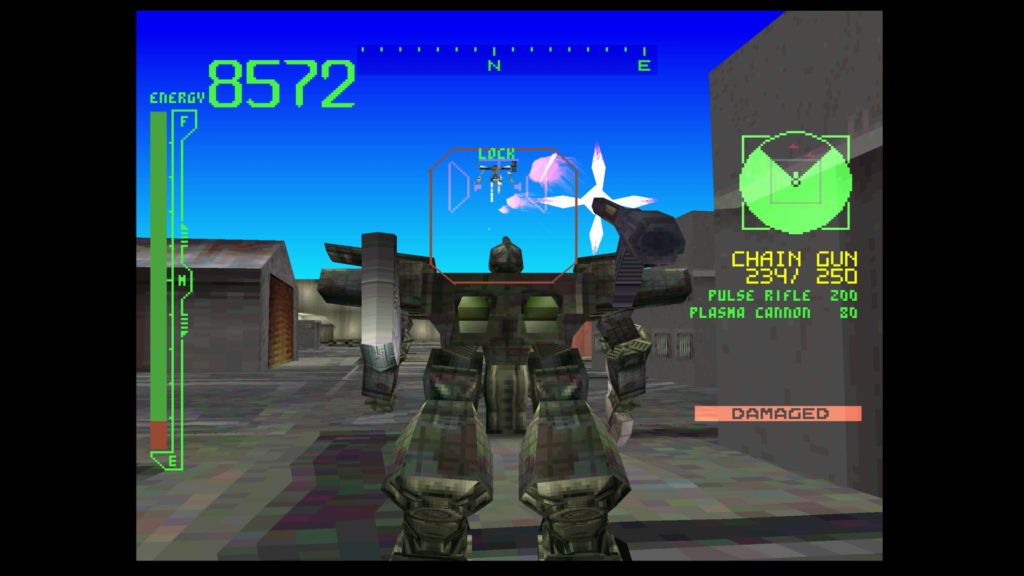
Game made by twenty people
I’ve never played the first game as a child. Neither it was popular among the people I knew. I had only the second and the third part for my PSX.
It feels like this game was made more like a message rather than an actual game and to prove abilities of FromSoftware to make games because initially they were a business software development company founded in 1986. FromSoftware released their first game only 1994.
Everything about first Armored Core feels clunky and frustrating today, despite it being a very good PSX game for 1997.
Imagine robot platforming when even Bubsy 3d feels less frustrating to control the protagonist.
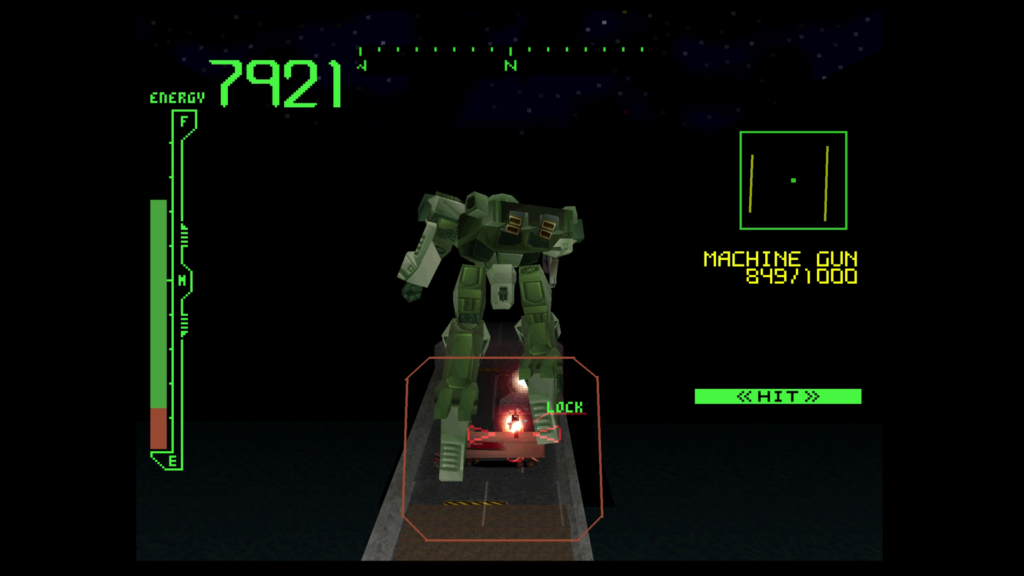
The corporate story of the end of humanity
Armored Core’s story follows a thread woven from ideas of corporate greed and loneliness. It feels very real even after 30 years since game release.
New Game starts from an email that you can read or skip. You can actually skip all the communications with other people in this game and just take the missions.
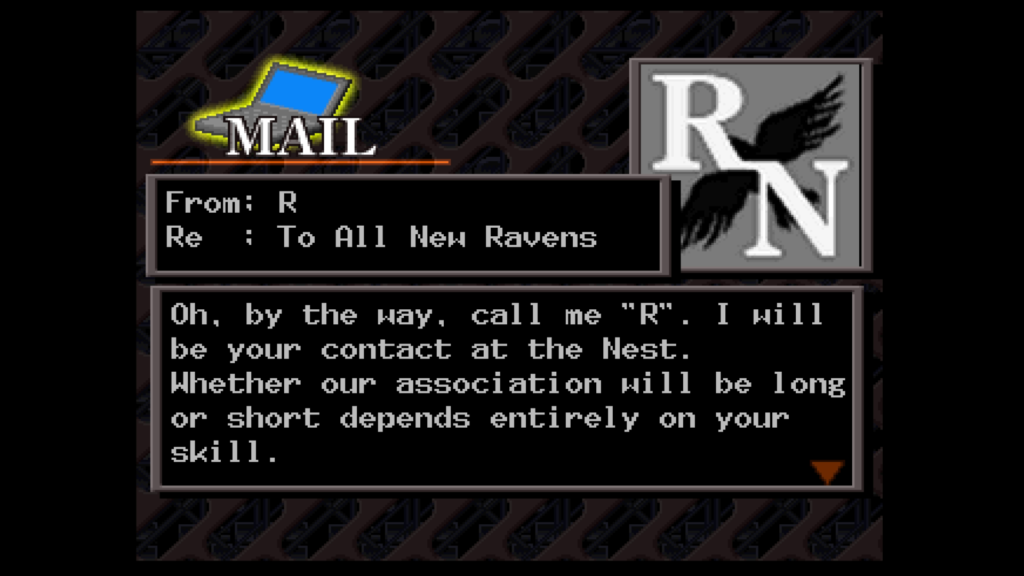
Your connection with Nest – organization that support you with missions and AC parts/repairs ask you to call themselves R. They will just provide you with information – no support or affiliation with corporations. If you have troubles they won’t deal with it.
Do missions. Be successful. Or this relationships will end and you won’t be able to buy new AC parts and do repairs. No AC repairs means the end for your career.
Missions from the start set the tone of the game – people on construction sites want to be paid or have better wages and demand this through strikes. You’re hired to deal with it because constructions should go according to plan.
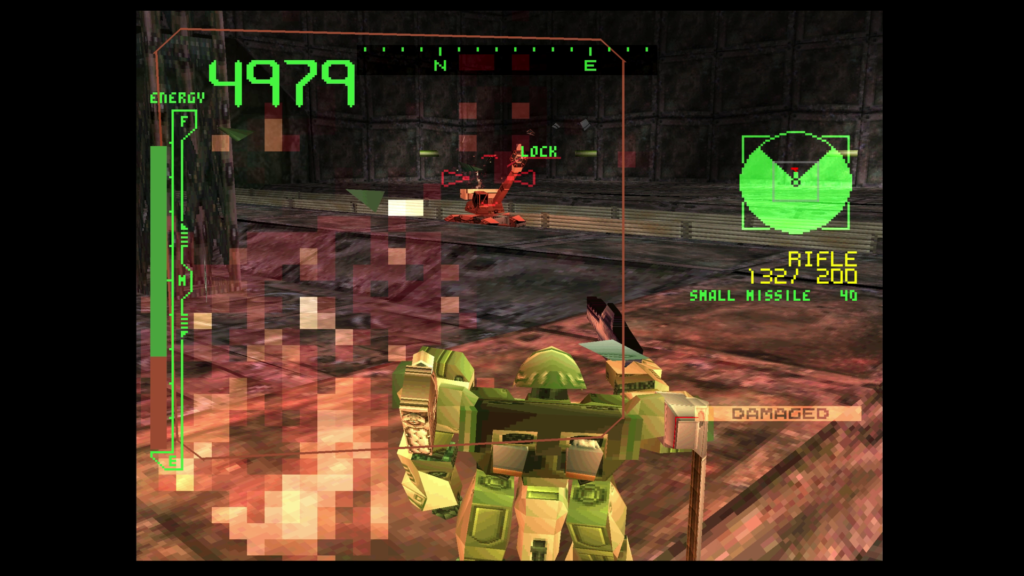
People live in the terrible conditions underground with constant threat from everything. Evacuations and terrorist threats are common. People living in cities are survivors of the Great Destruction that made the life on the surface impossible.
Aside of workers you deal with those terrorists but it’s hard to destinguish real terrorists and just struggling people. One demand better life, others get better life through dirty work supported by corporate payments.
From time to time MTs go rogue with lose of control or because of hacking and you need to clear these cheap but dangerous machines out of the cities, facilities, factories and other places.
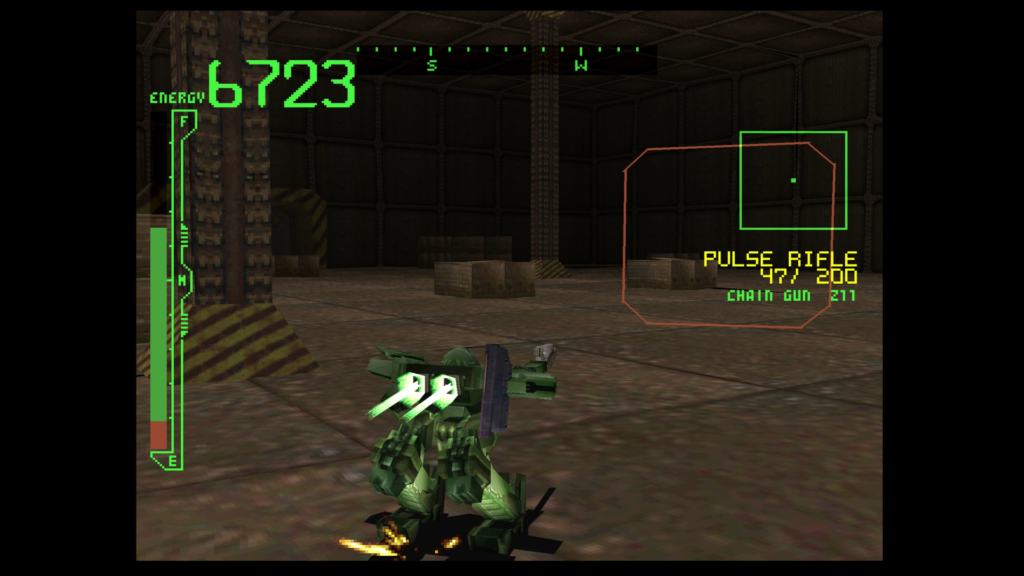
Your main employers are two huge corporations called Chrome and Murakamo Millenium. Crome is militaristic, opportunistic and aggressive while Murakamo Millenium shows more empathy and tries to save the humanity instead of just accumulating wealth. And they motivate their actions by higher reasons. Even if these actions cause threat to citizens.
Closer to the end Crhome falls and guess who takes their place. Murakamo Millenium becomes just another evil corporation in the endless circle of greed and stock prices.
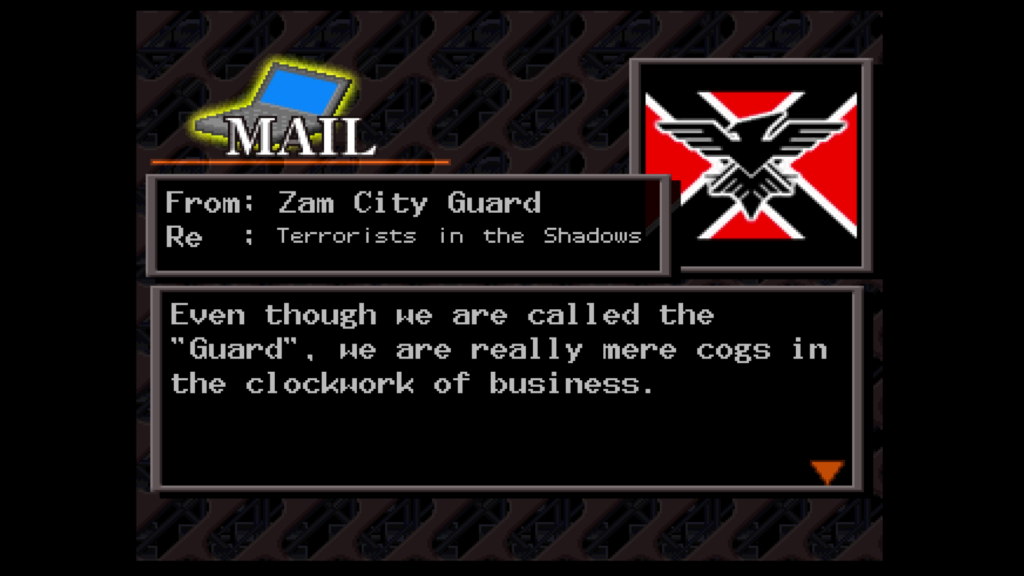
Another side of the conflict in the initial part of the game are local city guard. They care about protecting the city from terrorist threats but in one of the mails admit that they also follow the orders of corporations.
There are some other occasional groups that hire you but in the end they are part of Chrome and their hires from time to time betray you during the missions.
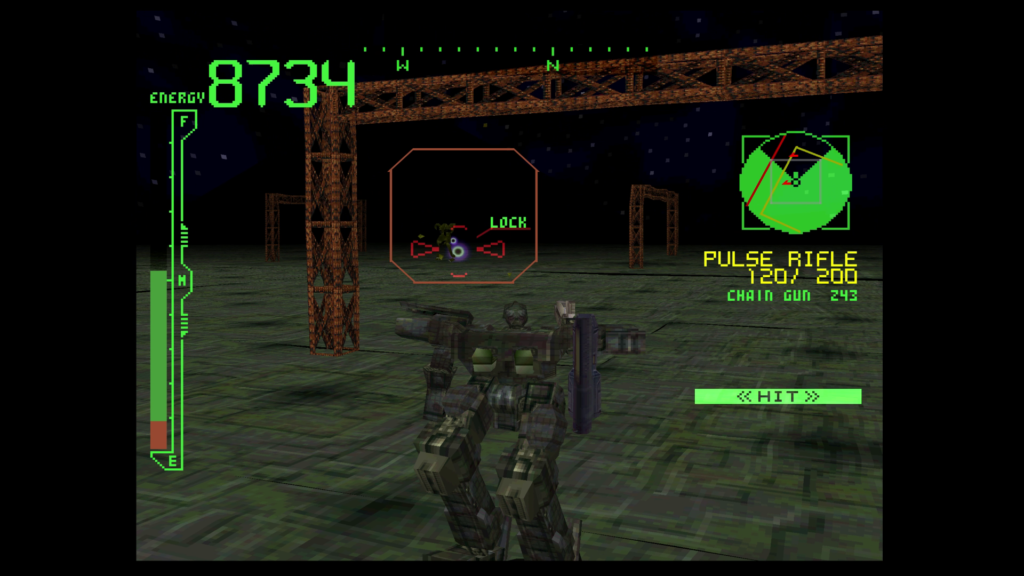
In the end you get betrayed by the Nest itself because you become too powerful and influential and all for you that is left is to attack the Nest.
Appears that the top ranking AC pilot Hustler One is actually an AI and the Nest is being controlled by this AI that keeps everything in balance because humanity needs balance to survive. And this endless internal war is a way to keep humanity alive.
In the last mission you meet two Hustler One ACs named Nine Ball before you reach the AI mainframe and destroy it.
These ACs are extremely powerful, even in comparison to Chrome’s “Monster” AC you meet in one of the previous missions. They are hard to beat with these controls, with platforming, slow camera and without open grounds where you can avoid their weapons.
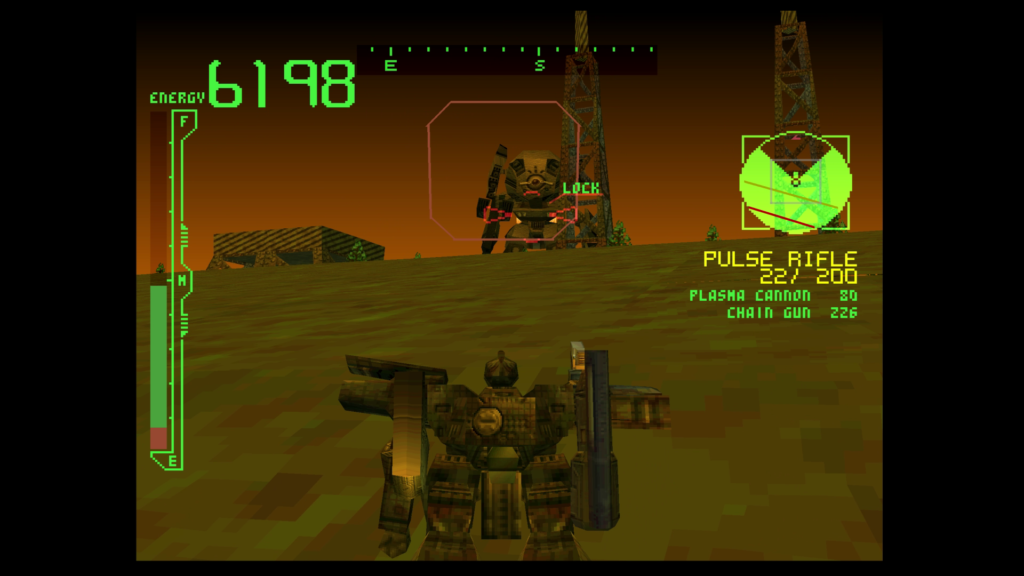
You don’t actually need to even fight Nine Ball ACs – you can just ignore them and proceed farther to the mainframe.
Gameplay
You start with a very weak AC and zero credit balance and required to do missions to accumulate money for upgrades. Missions pay you out on conditions – usually it’s elimination of the enemy but there is some variety to it.
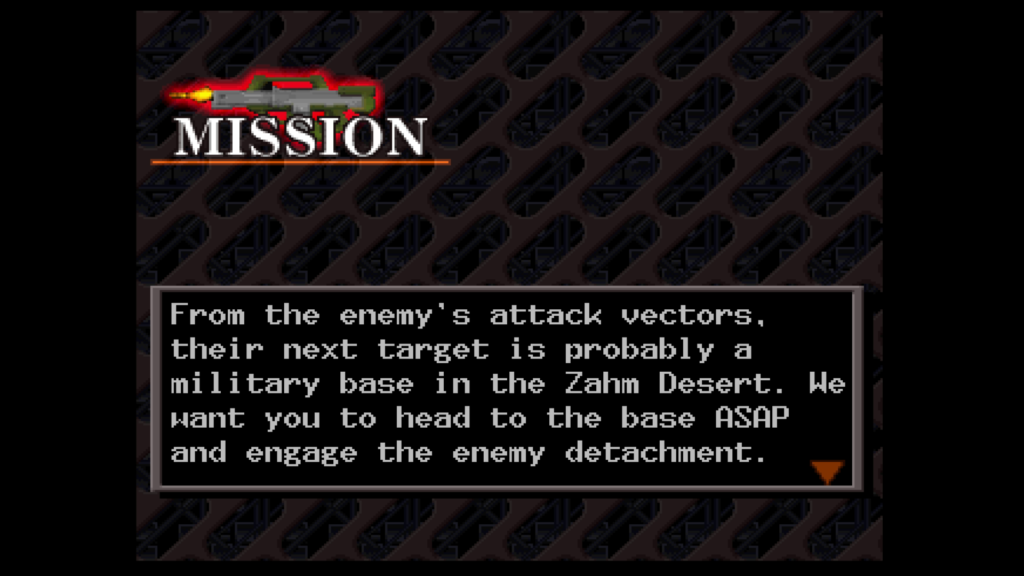
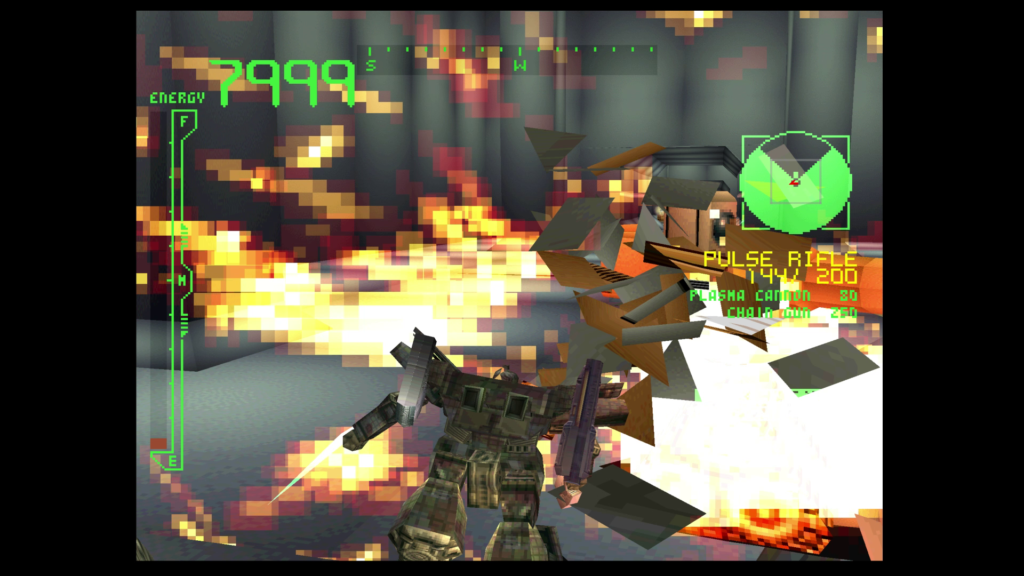
In one mission for example you need to find five terminals and install bombs onto them. While the environment of the underground base is acidic and slowly damages your armor.
Price of the ammo you spend and cost of repairs are deducted from your mission’s payment. Energy weapon ammo is free so I usually take two energy weapons and one with solid rounds.
Energy weapons drain power to shoot and the same energy is used to fly around so energy weapon negatively affect your mobility and ability to avoid enemies’ projectiles.
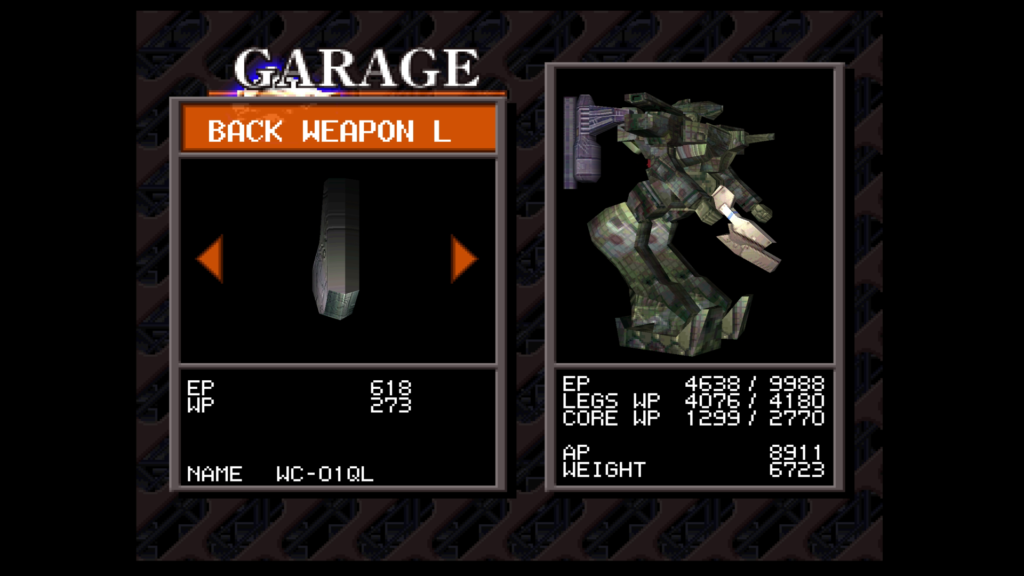
You can buy and sell equipment by one to one prices so you can rebuild your AC anytime you want without any credits penalty.
AC parts have a lot of characteristics according to a part type.
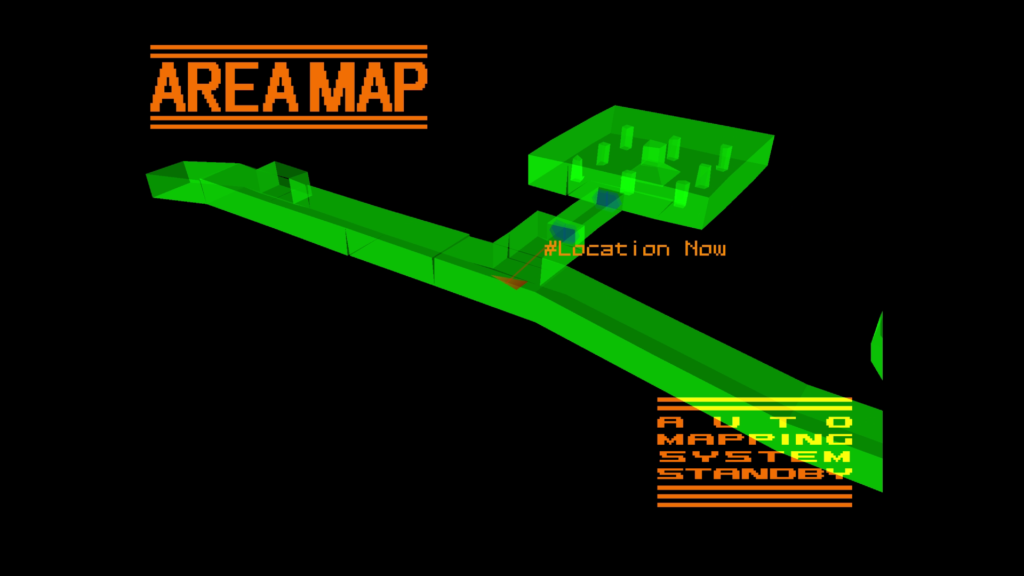
For example head can provide you with a radar or mapping functions. Without them level map won’t memorize parts of the level you visited.
Body has slots for options part that may for example increase power and fire-rate of energy weapons. Also there are parts to decrease damage you receive, increase missiles lock on speed and etc.
Legs are split into three main categories – two legs, four legs and caterpillars. The main difference is that with two legs you need time to prepare for shooting from shoulder cannons and you can’t move around during the shooting. You become an expensive stationary turret. Four legs allow you to shoot from the shoulder cannons while your legs are touching the ground but their downside is a massive drain of energy for movement. Caterpillars are very slow, but they have high amount of armor points and allow shooting from shoulder cannons while flying.
Motors provide you with energy and capacity of capacitors.
FCS defines how many rockets you can lock on, how fast they lock on and the maximum distance.
Boosters allow you to fly.
Shoulder weapons are divided onto four types – missiles, rockets, cannons and radars.
Missiles are guided, rockets are not guided (they have no targeting assist as well so they are mostly unusable), cannons shoot projectiles and radars provide radar and mapping functions (surprise).
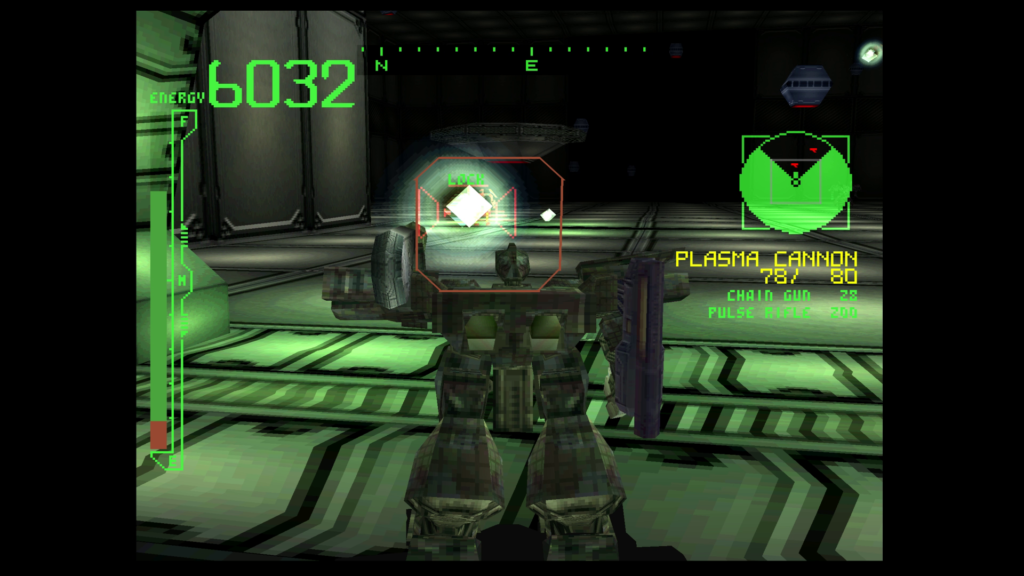
Hand weapons use different projectiles. All my favorites will appear only in the future games sadly. Also your left hand can be equipped with a laser blade that is a useful melee weapon to reduce amount of ammo you spend.
Unlike future games there is no arena so you can’t fight other ACs one on one.
There is still one arena battle as a mission where you fight two Ravens at the same time.
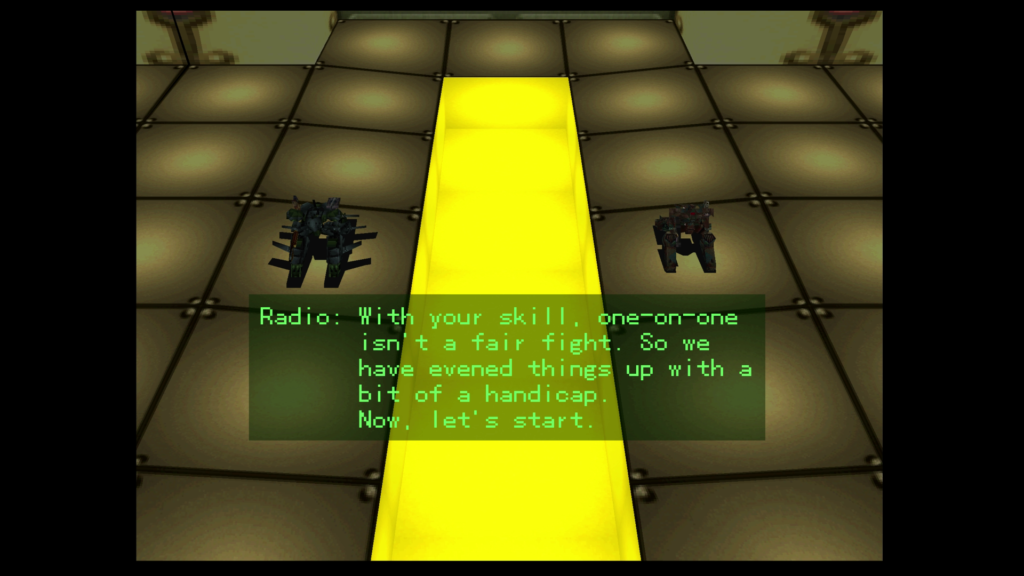
Conditions for game over are weird. Because if you lose a mission there won’t be much consequencies – money for repairs and ammo will just get deducted from your balance.
The only exception I met that broke my half game’s progress was the last mission.
The process of dying as a Raven as how I understand it is that Raven’s Nest resurrects you every time you die and repair your AC with your money but if you die on the last mission they just let you die. Because you went against the Nest.
I can only assume that if you lose too many missions they will stop supporting your life as well.
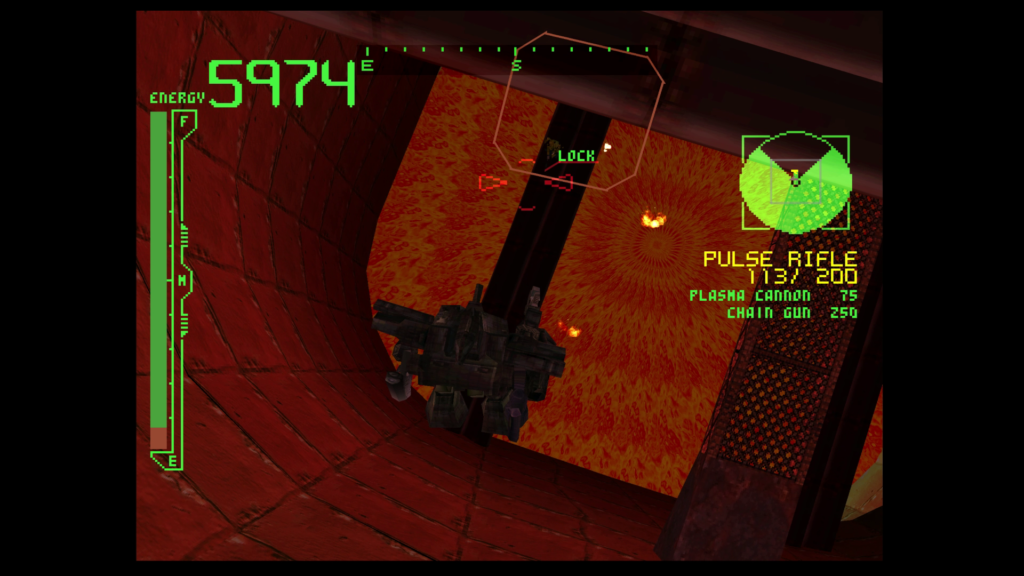
Robot control is extremely clunky and unfair. Enemies rotate and lock onto you crazily fast while you barely can rotate to shoot enemies behind you. Platforming is very difficult – AC never moves where you want it to move despite it being fast. You can move left and right like crazy to avoid being hit but turning around is an extremely painful process.
You can fly but there are enemies that fly much better than you and with limited main weapon range you struggle to even just hit them when they don’t struggle to hit you. Missiles don’t help at all and since the first Armored Core game uses close combat heavily – there are not many places to actually use missiles. All my attempts with them failed because they can’t hit fast targets effectively.
Conclusion
Game is extremely short and I, with my experience, beat it in just four hours. So for a new player it may take five-six.
I can’t say this game feels great nowadays. Especially in comparison to other two Armored Cores released for PSX. It feels more like a part of the history than good experience. Reason us probably it’s an early PlayStation game and developers were still learning how to make game for the platform. Tools to make 3d games were still far from perfect in 1997.
Regardless of problems Armored Core received good reception because of the customization options and good local multiplayer. Speed of turning was almost the only frequent complaint.