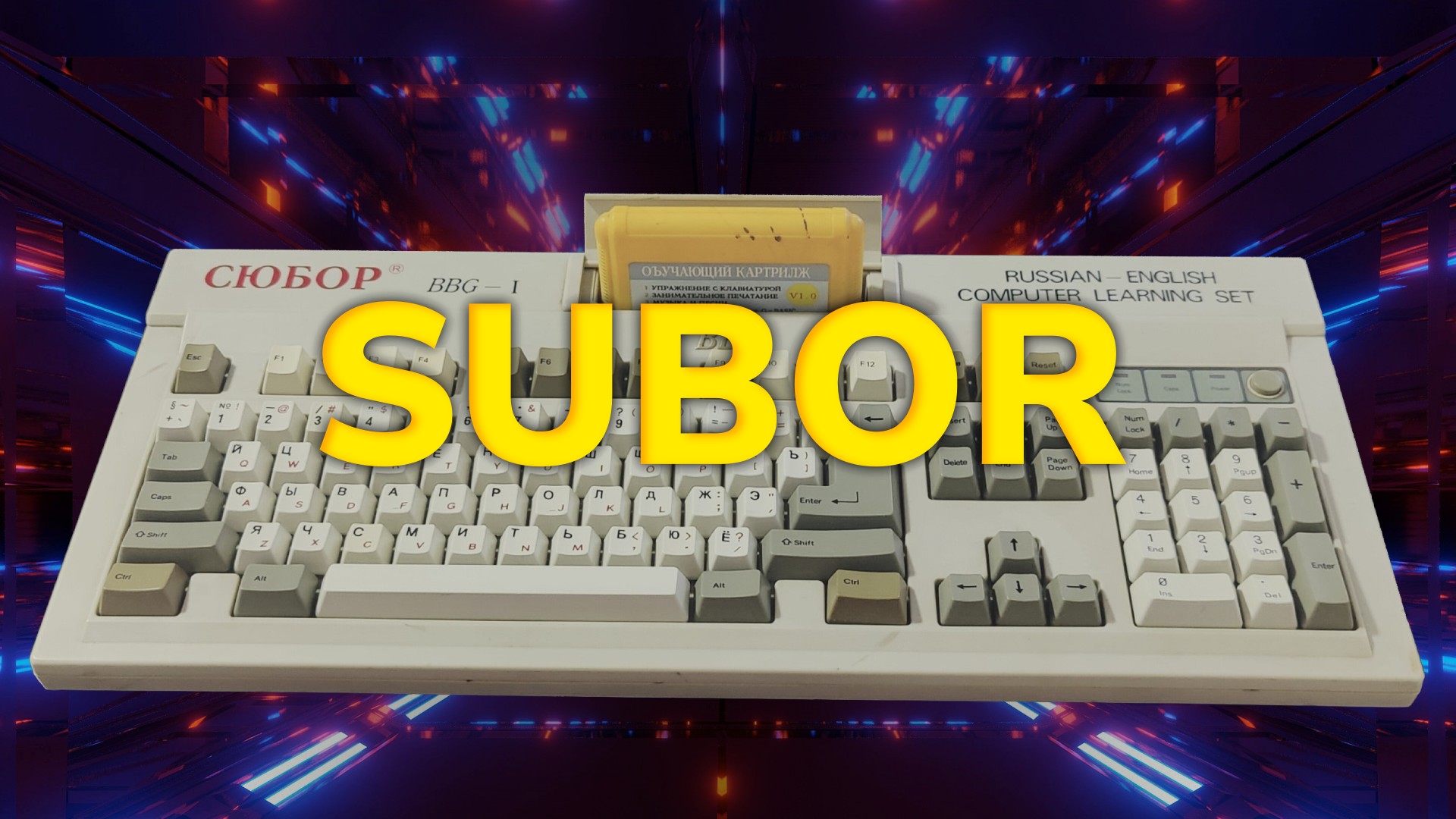
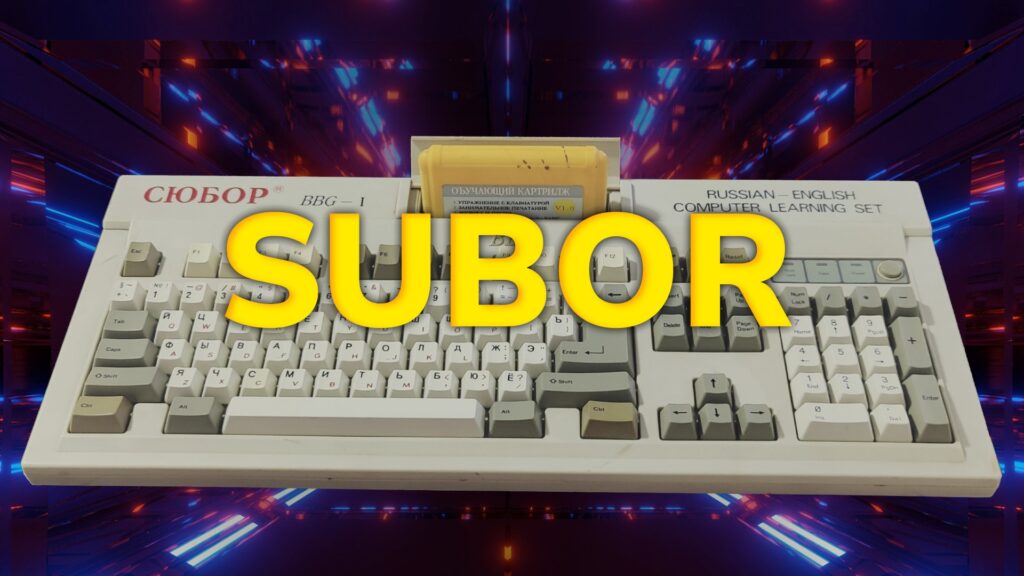
This article is based on the Youtube video made by Deriv’era.
History of SUBOR
After the fall of USSR Russia finally sensed the smell of freedom and free market. Influx of new wares into the country was eminent and many other countries noticed a huge, undeveloped market to sell their products on. Even if Russia didn’t have a lot of money it still had tens of millions of people.
SUBOR was marketed as a Russian/Chinese collaboration but in reality It combined technologies from all over the world. Software most likely comes from Japan, rewritten for Russian and English languages and very inconsistent in translation and navigation.
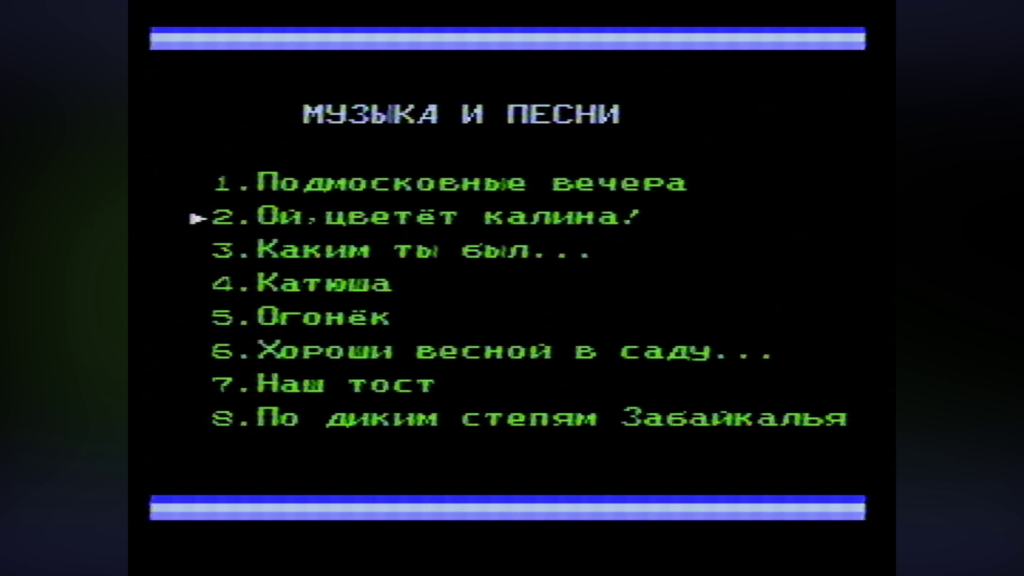
Components were produced entirely at Chinese factories for russian speaking markets.
Judging by the documentation a company by the name Liko, who collaborated with Chinese company to release SUBORs in Russia had great plans on this machine. They promised to release new educational cartridges but these plans flopped by unknown reasons.
Most likely because in 1993 when SUBOR was released it was already outdated. Both as a “computer” and as a gaming platform. Sega Megadrive already existed in post Soviet spaces and Sony PlayStation was released a year after Subor.
Education and quality
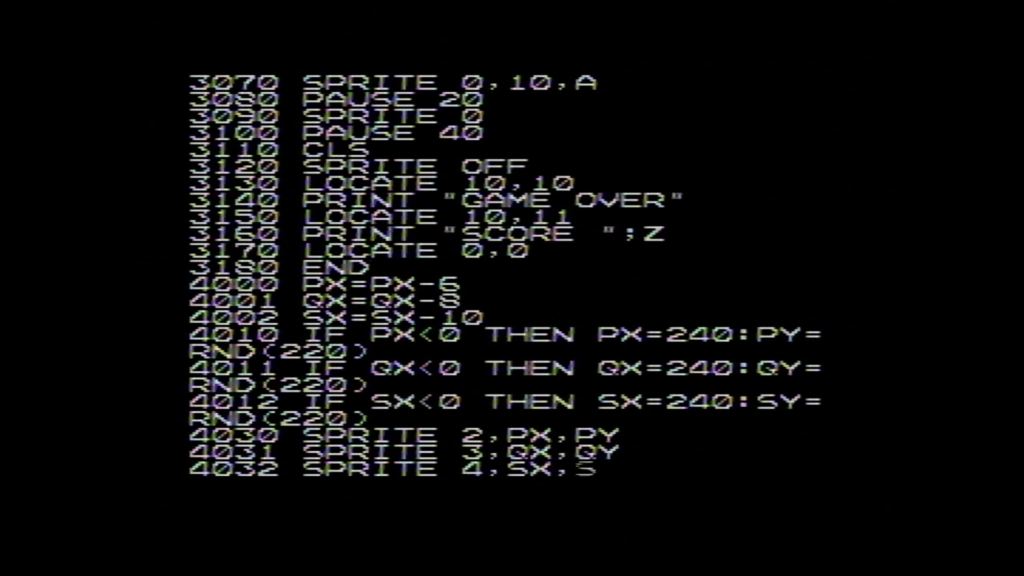
Still, SUBOR provided educational value and by memories of people at least some of them started to learn programming with it.
You can imagine the poor quality of the machine itself and the quality of the documentation. In one of the later examples in the book there are more than ten errors in a code block that is less than a page in size. I can imagine the frustration of children who were trying to learn game programming by it.
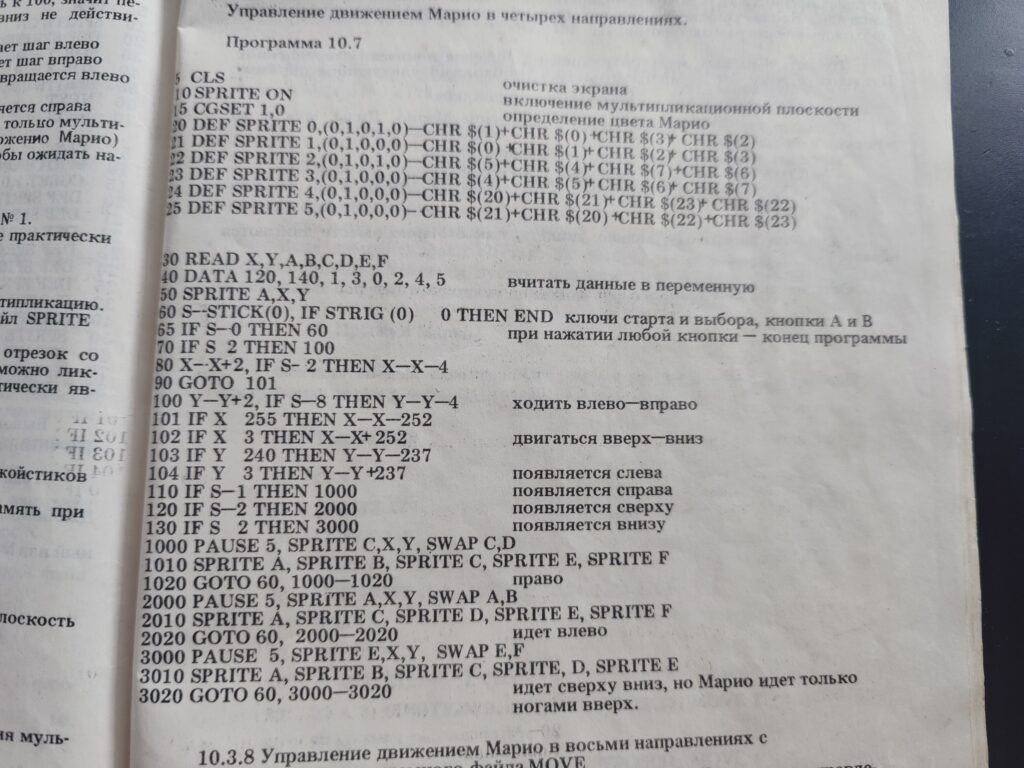
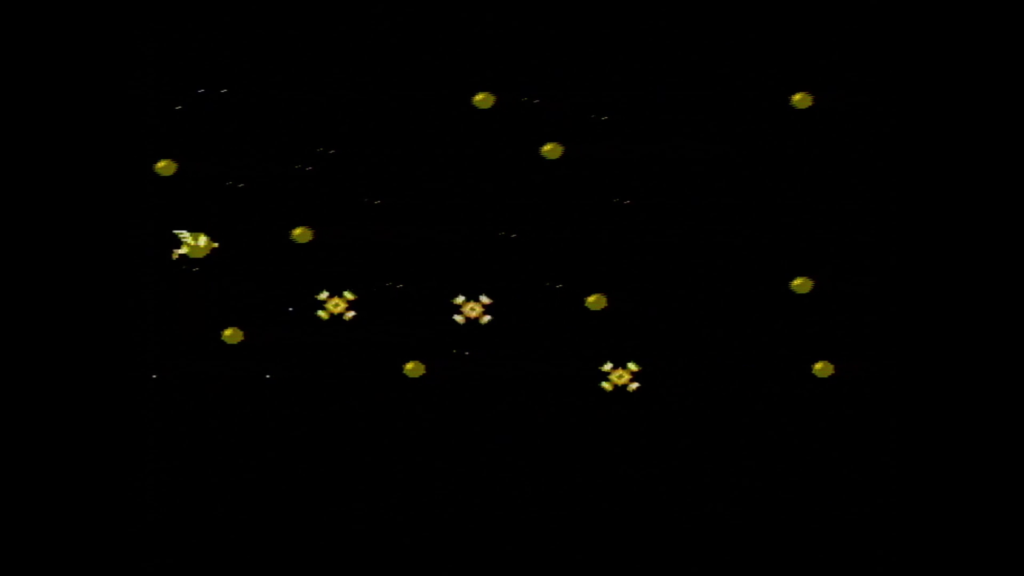
If you were able to survive very unfriendly learning process you would be able to create a simple game that has full gameplay loop. Thanks to the famicom’s capabilities children were able to create not only the text based games, but also the games with graphics.
Despite all the limitations. Because there are a lot of them.
Limitation of SUBOR
For example you can use only seven on screen sprites. Not only that, but you can’t avoid visual artifacts while switching graphics of the existing sprites. When you set or change the sprite representation it is being automatically moved to zero coordinates. To avoid this side effect the documentation itself suggests to create different sprites per each frame and just to hide sprites that are not currently used in the animation. But this approach limits you to even less elements on the screen than just seven sprites.
Also you have no storage devices. So it was common to just write your code on paper.
Performance is terrible as well but if you limit the program to four-five objects then it works alright. Even with collisions.
There are no commands to control background scrolling. Still, you have commands to directly access the memory of the machine. In other words you can directly access video registers and implement background scrolling.
Since GBasic is using video registers as well, accessing them reliably is impossible. Direct memory access hacks don’t work for everything.
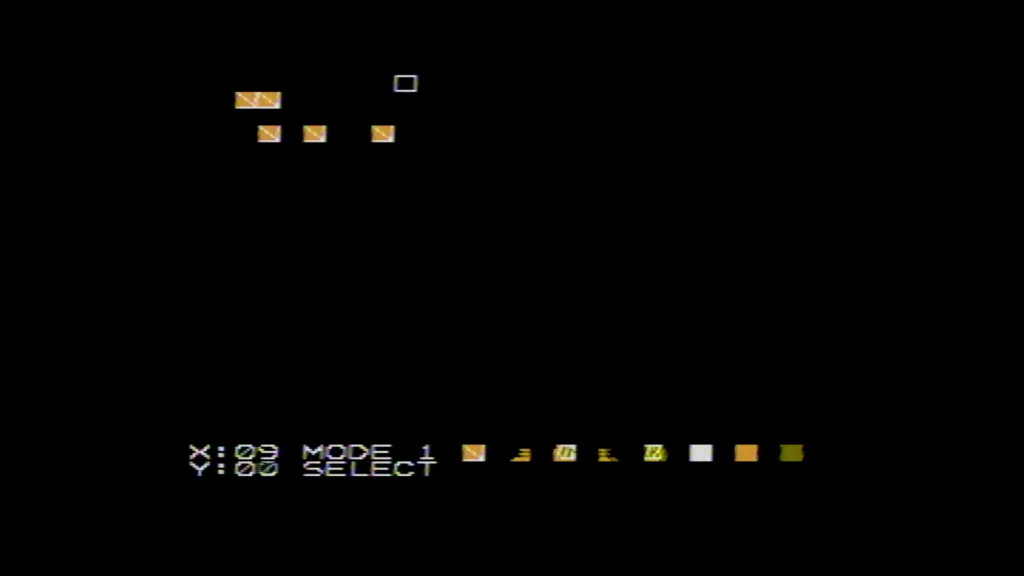
There is a separate program in GBasic bundle that allows you to create backgrounds. But even here you have noticeable limitations – bottom part of the screen is blocked by the interface. Interface takes ¼ of your drawing canvas.
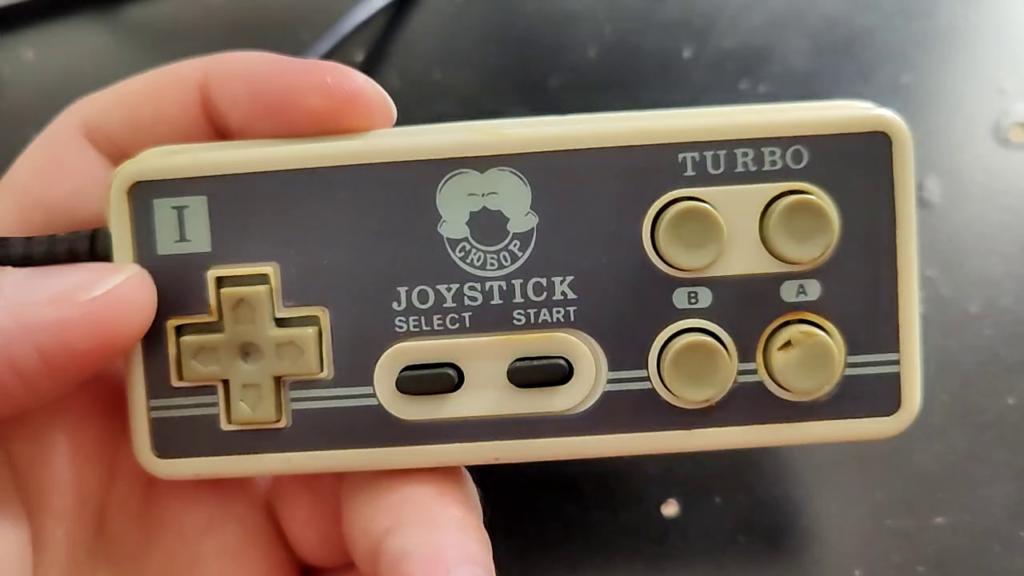
SUBOR has two famicom gamepads and is capable to run games as your average famiclone.
Conclusion
In Subor’s marketing parents that were hesitant to buy gaming consoles for their children might had seen an educational computer in better light.
Subor was positioned as an excellent educational machine for children. But behind the promises it had an awful documentation, poor to average quality of hardware and was already outdated upon release.
In addition to this don’t forget that there was no internet in 90s Russia and barely any good internet in the early 2000s. Especially outside of Moscow. So the only option to get additional information was communities and the documentation.
Subor happened to be more a machine of frustration than education but for poor families of post Soviet spaces it was the only way to bring home at least something that represented a computer.